
Road Tanker Offloading Human Factors: Simple, Complicated and Complex Problems
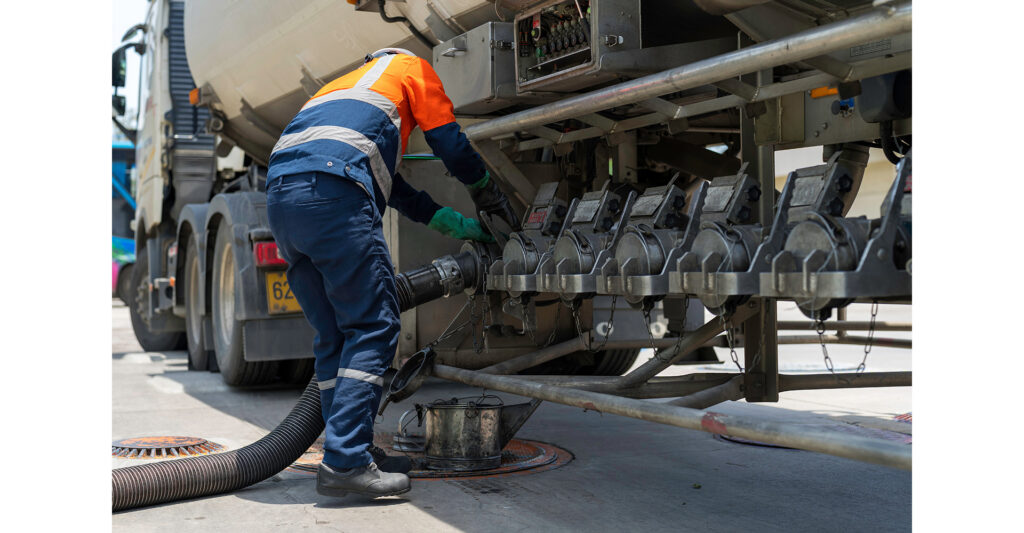
Road tanker offloading is routine. It happens every day, across hundreds of sites. That familiarity is part of what makes it dangerous.
Are We Collecting Data, or Are We Learning?

Organisations are rarely short of information. Incident reports, near-miss records, audits, KPIs and procedure reviews can all provide valuable insight. But data only becomes useful when it helps us understand how work is really done, why performance varies, and what needs to change.
Human Factors in the Mining, Minerals and Metals Industries: Building on Chapter 9

The mining, minerals, and metals sector is facing higher expectations on process safety and human factors than at any point in recent memory. That is a good thing.
The publication of the CCPS guidance Process Safety in the Mining, Minerals, and Metals Industries (December 2025) makes the new expectation explicit.
A Different Perspective on SCTA: When “Just Enough” Leads to Marginal Losses

We often talk about marginal gains in improving SCTA. This blog explores the other side: marginal losses and how quality can quietly erode over time.
It also looks at what it means to be an intelligent customer of analysis, not just asking “was it done?”, but “how well was it really done?”
The Second Story Has Layers: How Deep Does Your Investigation Go?
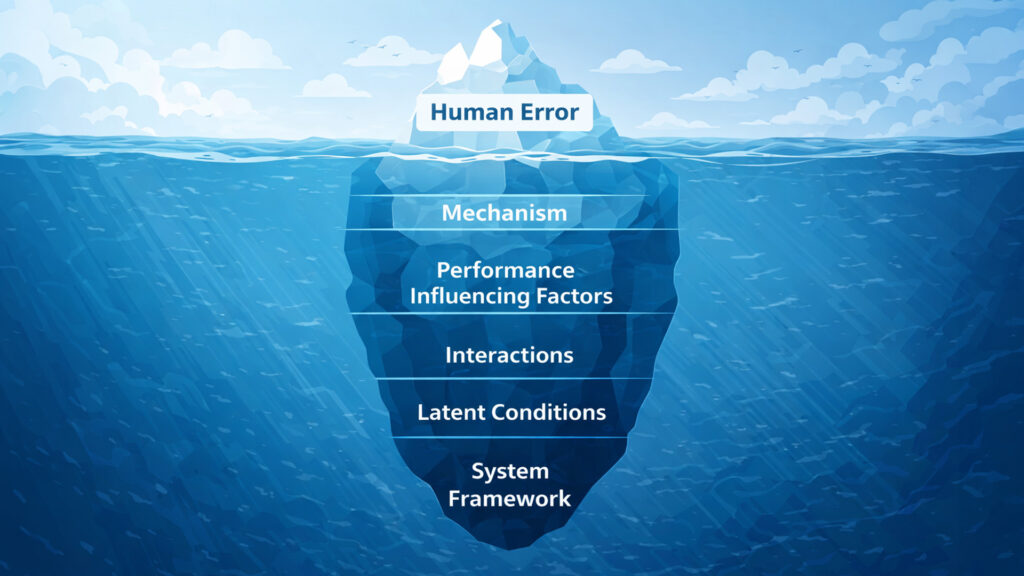
If your incident investigation ends with “human error” as the root cause, you haven’t finished the investigation. You’ve just stopped asking questions.
Human Reliability in Pharma: What the Risk Revolution Podcast Got Us Thinking About
Earlier this year, Julie Avery and I joined Valerie Mulholland on the Risk Revolution podcast. The conversation ranged widely, and we came away feeling it had landed on something important.
Intelligent Customer Capability – How Intelligent Do You Actually Need to Be?

If you work on a COMAH site, the HSE expects you to maintain “intelligent customer capability” for human factors. But what does that mean in practice? A degree in ergonomics? A short course? Just enough common sense to ask the right questions?
The ONE Thing That Will Actually Improve Your Human Factors Program in 2026

What’s your ONE thing for 2026?
What I have learned is “We’ll implement Human Factors” isn’t a plan. It’s six topics and fifty things pretending to be one.
The 7 Deadly Sins of SCTA Implementation: Common pitfalls that mean Human Factors programmes stall

After decades of supporting organisations with Safety Critical Task Analysis (SCTA), we’ve noticed a pattern: even with great training, implementation often stalls. Why does this happen?
We explore the “7 Deadly Sins of SCTA Implementation” – common organisational barriers that prevent SCTA programs from delivering their full value.
HSE Human Factors Delivery Guide for COMAH sites: What’s new?
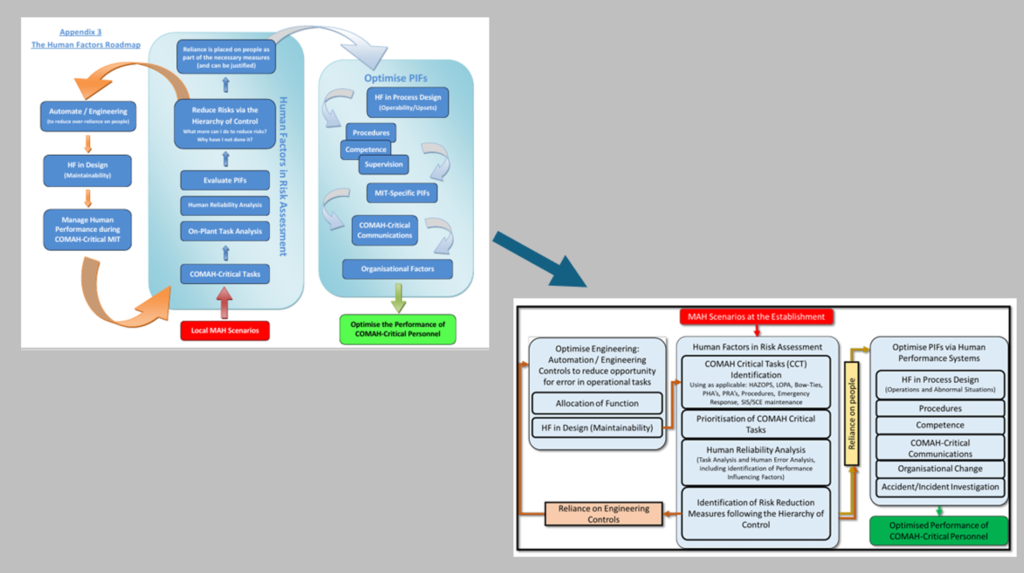
The HSE released a new Human Factors Delivery Guide for COMAH sites in December 2023. However, there was no briefing note or presentation to accompany it to tell us what was different and what was the same.
A year on, I’m writing that blog to attempt to fill that gap.