FREE WEBINAR & DOWNLOAD:  How does your SCTA performance measure up?  Get your SCTA Health Check here.

Human Factors

Human Factors takes a systems approach to human performance. Rather than solely focus on training and behavioural approaches to human performance issues, we try to optimise the task, tools, equipment, procedures and environment in which people operate to work with them rather than against them. 

As a company, Human Reliability Associates specialise in cognition, task analysis, sociotechnical system design, and risk management. 

We like the structure of having different Human Factors topics like design, communication, procedures, competence and organisational issues. These all contribute to learning proactively before something goes wrong, and reactively after something has gone wrong – both concerned with optimising human performance in context. 

Understanding deviations & system performance

When deviations happen, “human error” often appears in the investigation report. Procedures aren’t being followed. Safety culture feels like an uphill battle. But blaming individuals rarely prevents the next incident.
 
Human Factors (HF) takes a different approach. Rather than asking “who made a mistake?”, we ask “why did the system allow this to happen?” HF is the scientific study of how people interact with systems – the technology, tasks, environments, and organisational structures they work within – and applies that knowledge to make systems safer, more reliable, and more efficient.
 
The International Ergonomics Association defines it as:
“A scientific discipline concerned with the understanding of interactions among humans and other elements of a system, and the profession that applies theory, principles, data, and methods to design in order to optimise human well-being and overall system performance.” 

A multi-disciplinary approach

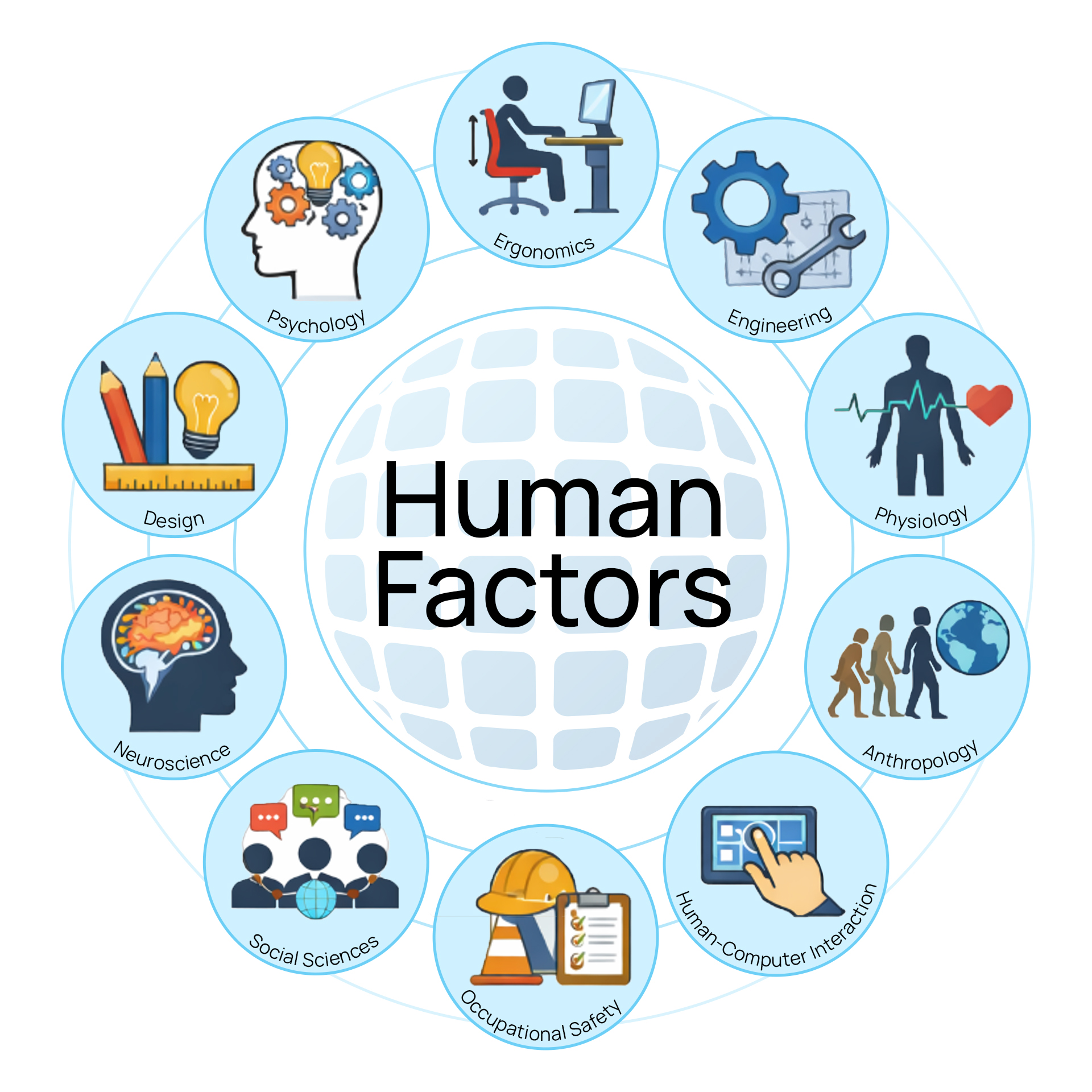
Human Factors draws on psychology, engineering, physiology, ergonomics, and other disciplines to address challenges across your organisation—from designing safer workspaces and reducing human failures in manufacturing, to managing the introduction of new technologies and understanding why risk sometimes becomes normalised. 

Two goals, one outcome

HF delivers value in two ways:
 
  • Optimising human well-being – reducing risks to safety, health, and workload
  • Improving system performance – enhancing efficiency, effectiveness, quality, and reliability
 
When organisations get Human Factors right, people work more safely and systems perform better. The result? Fewer incidents, better compliance, stronger safety culture, and improved operational performance.
 
Our Human Factors services help you achieve these outcomes across your operations.

Human Factors Offerings

Different sectors have their own approaches and concepts for Human Factors. While these services may be framed in different ways and terms, they are closely interlinked by Human Factors topics.

Managing Human Performance

Managing human performance includes how we learn from events, deviations, normal work and manage risks. It is a key area for ensuring good and safe operations in the workplace.

COMAH

The Human Factors COMAH Delivery Guide was developed by the HSE following a need to establish a framework for inspecting Human Factors (HF) at COMAH establishments. Scroll down for an overview and summary.

Hierarchical Task Analysis

Hierarchical Task Analysis (HTA) is a method for analysing tasks using a hierarchical structure. 

T4 Procedures​

The documents that accompany work set expectations, detail steps and support people to complete tasks. Non-compliance can often be a symptom with deeper causes.

SCTA

Safety Critical Task Analysis (SCTA) is a proactive approach to identifying and managing Human Factors risks. It is required by sites that fall under the COMAH regulations in the UK.

SOP

Standard Operating Procedures (SOP) are a key part of managing the quality and safety of critical tasks. For the operators, they should provide information for conducting the task successfully.

Get in touch

Speak to the Human Reliability team today about managing risk and improving procedures in your organisation.