
Incident Investigation for Pharma Manufacturing: What’s on Your DMAIC Tool Belt?

Why do so many pharma deviation investigations end with “retrain and update the SOP”? It usually isn’t because anyone investigated badly. It’s because of what’s on the tool belt.
Beyond “root cause: human error”. Five principles for investigators.

Root cause: human error.
Corrective action: retrain operator.
If you have worked in incident investigation for any length of time, you have read that pair of lines. Some of us have written them.
It gets the report closed. It satisfies the template. And a few months later something uncomfortably close to it happens again…
Matching Rigour to Risk: From Learning Teams to SCTA in GMP
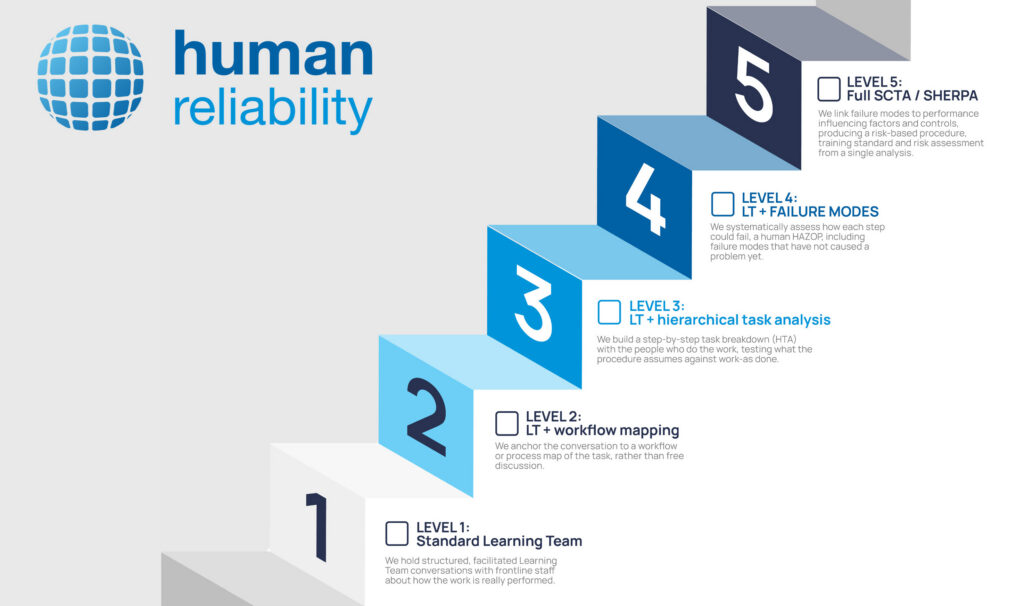
If you work in pharmaceutical quality, you already live by a distinction this blog depends on: the difference between a useful discussion and a documented risk assessment. Both have their place. They are not the same thing, and you would never offer one where a regulator expects the other.
Human Reliability in Pharma: What the Risk Revolution Podcast Got Us Thinking About
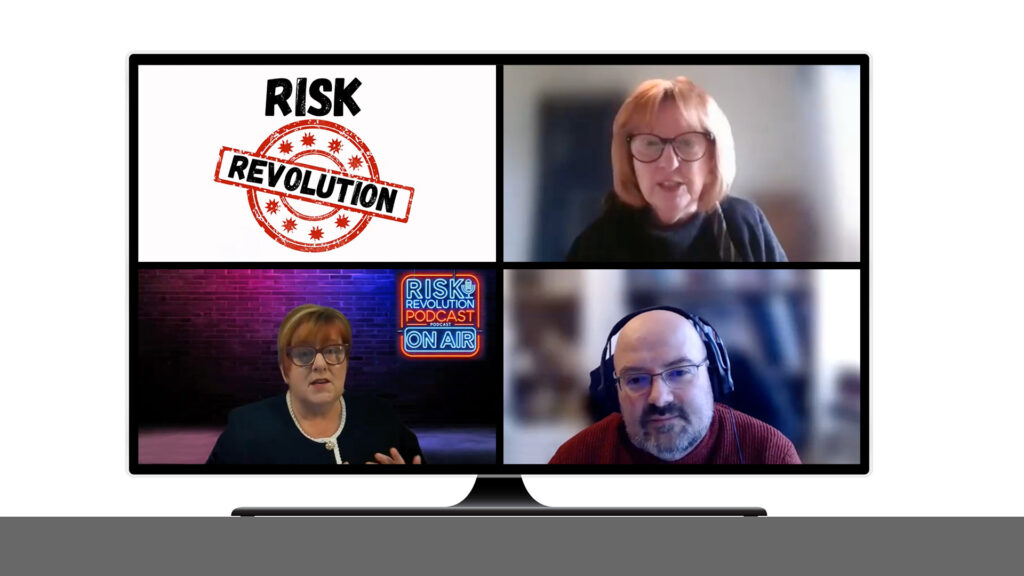
Earlier this year, Julie Avery and I joined Valerie Mulholland on the Risk Revolution podcast. The conversation ranged widely, and we came away feeling it had landed on something important.
It’s Time: A Human Factors Delivery Guide for Pharmaceutical Manufacturing Quality

The crisis is here. The regulatory gap is costing pharma billions and impacting patients
Data from the OECD shows that drug shortages have been rising since 2019. Many are due to manufacturing issues and product quality deficiencies.
How SCTA Builds Reliability and Resilience: A Whole-System Approach to Understanding Work

Reliability prevents failure.
Resilience helps us recover from it.
SCTA can strengthen both.
Human Performance Guidance for Pharmaceutical Manufacturing: A Regulatory Innovation?

In the pharmaceutical sector, human error isn’t just a “mistake”—it can affect patient safety, production and quality.
Human Factors for Biological Containment Labs
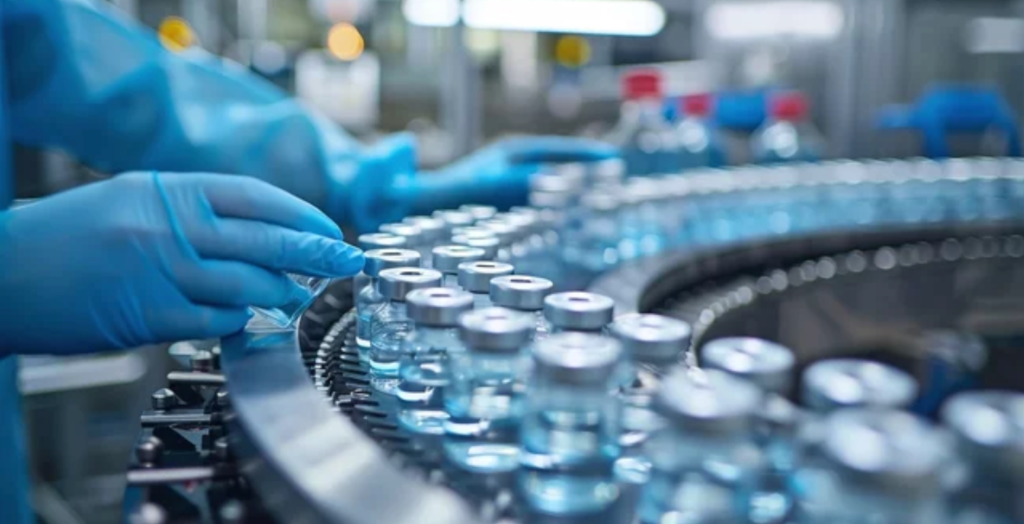
Biological containment labs handle some of the most dangerous pathogens, yet human error remains a critical risk factor in their operations.
On Crafting Effective and Safe Procedures

In safety-critical industries, having a procedure isn’t enough—it needs to be both accurate and user-friendly. A well-crafted procedure can enhance safety, reduce risks, and streamline operations, but only if it’s easy to follow and understand.
Failure Modes and Mechanisms in Safety Critical Task Analysis (SCTA)

In the realm of safety critical tasks industries, identifying both failure modes and mechanisms is essential for effective risk management and performance improvement. We dive into this crucial topic, exploring how failure modes and failure mechanisms impact human performance.