Road Tanker Offloading Human Factors: Simple, Complicated and Complex Problems
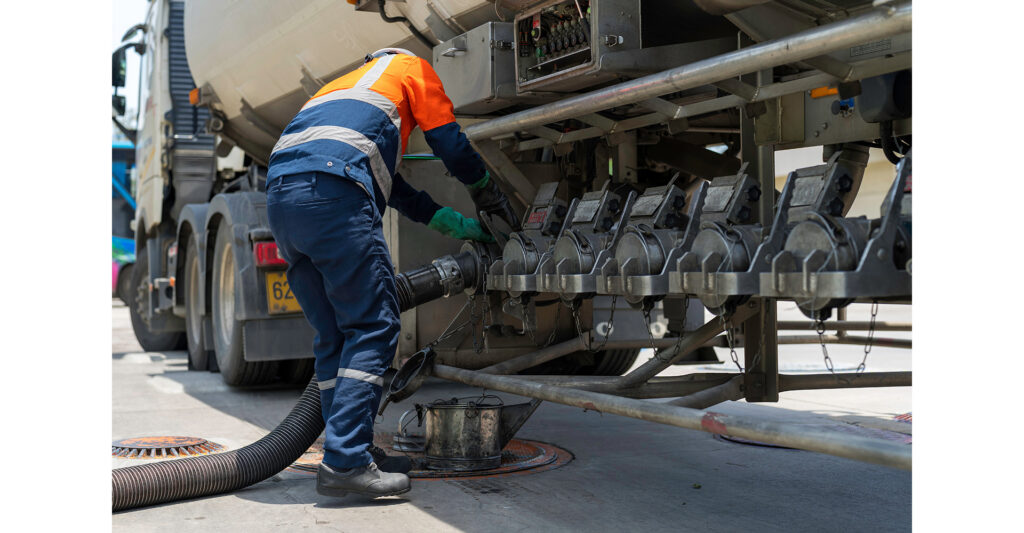
Road tanker offloading is routine. It happens every day, across hundreds of sites. That familiarity is part of what makes it dangerous.
A Different Perspective on SCTA: When “Just Enough” Leads to Marginal Losses
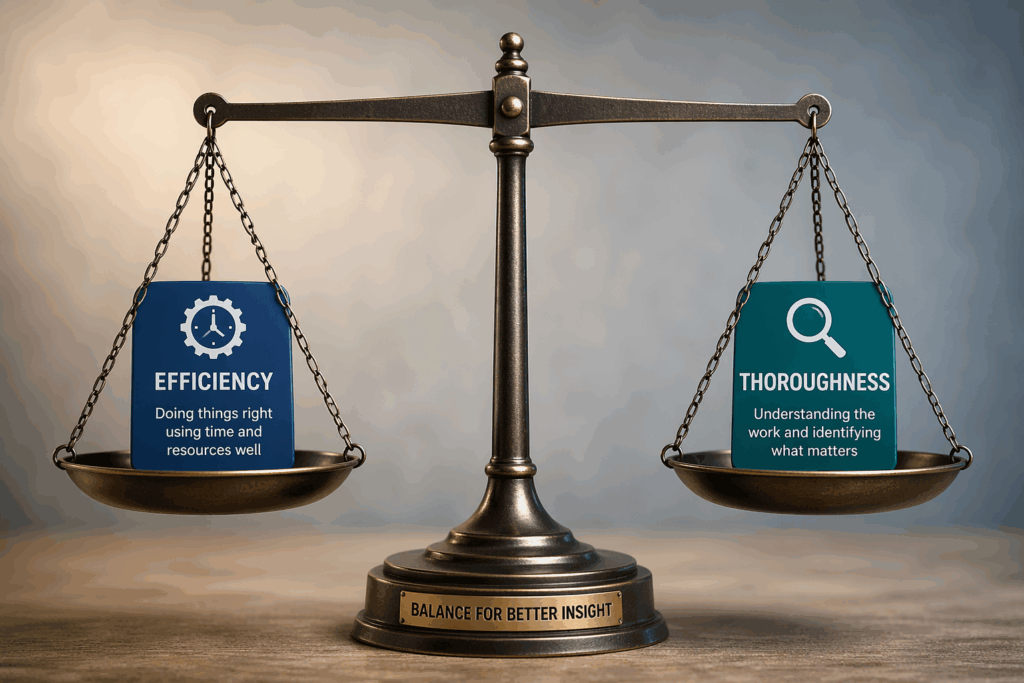
We often talk about marginal gains in improving SCTA. This blog explores the other side: marginal losses and how quality can quietly erode over time.
It also looks at what it means to be an intelligent customer of analysis, not just asking “was it done?”, but “how well was it really done?”
Aviation Maintenance and Human Error: A Practical SCTA Case Study
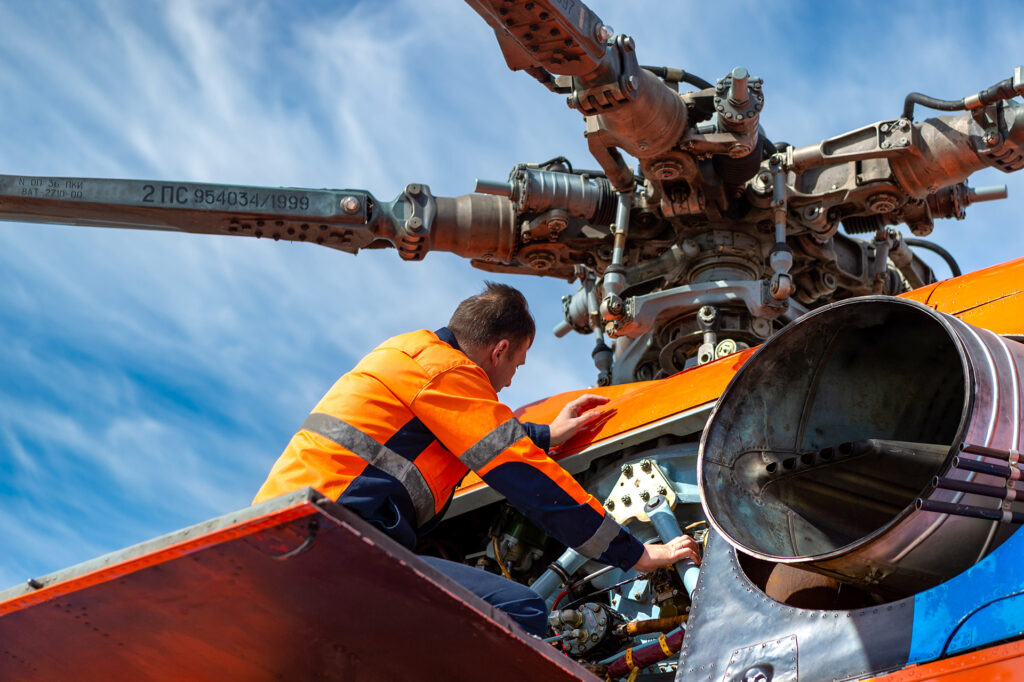
We often think of safety in terms of operations, but maintenance plays an equally critical role.
In this blog, we look at a helicopter maintenance task and explore how Human Factors methods can be used to understand how things could go wrong, and why.
It’s a good reminder that even routine tasks deserve careful attention.
The Second Story Has Layers: How Deep Does Your Investigation Go?
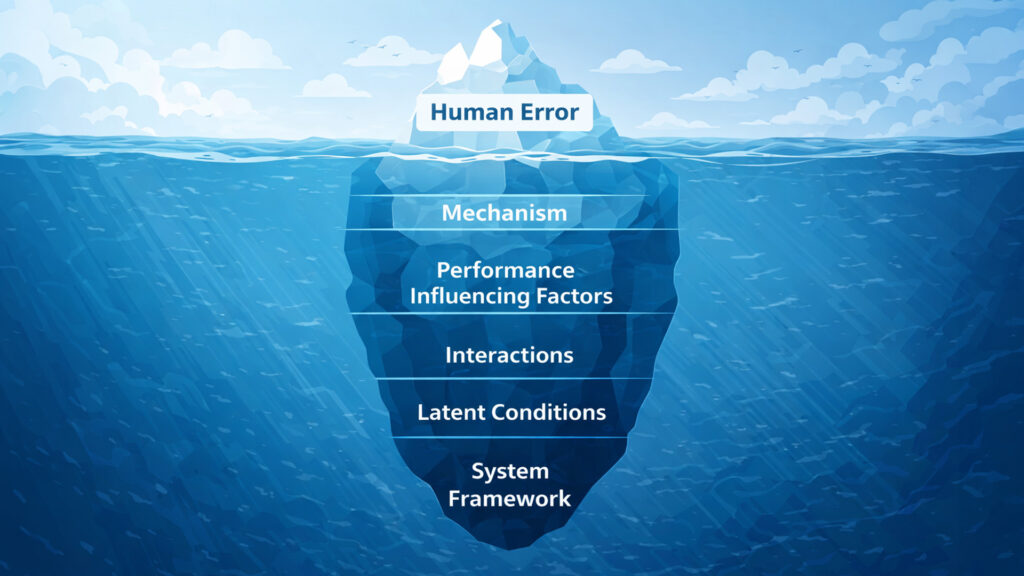
If your incident investigation ends with “human error” as the root cause, you haven’t finished the investigation. You’ve just stopped asking questions.
Human Factors in Control of Work Systems

Control of Work (CoW) systems form the backbone of safe operations in high-hazard industries. Yet, their success often hinges on human interaction.
Bridging the Gap: Aligning SCTA with Engineering Risk Assessments
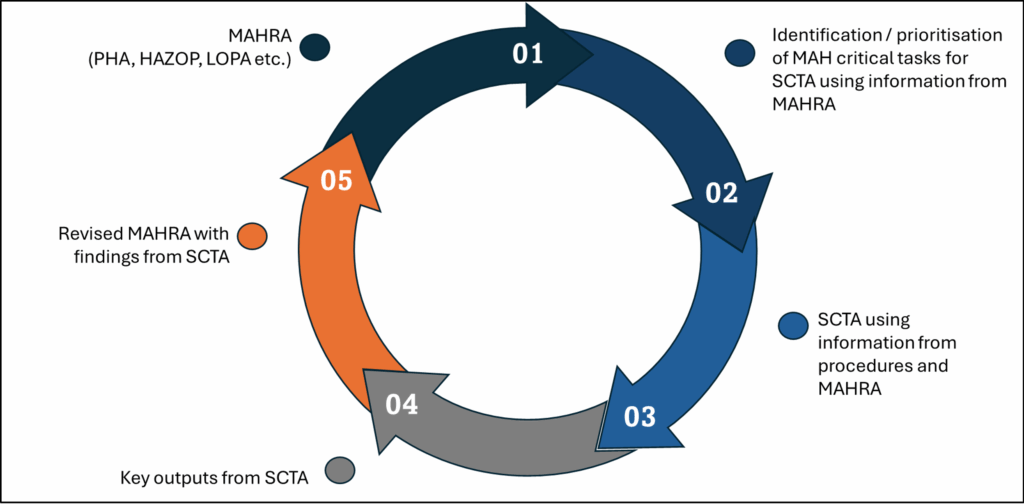
Are your Safety Critical Task Analyses (SCTAs) operating in isolation from your other Major Accident Hazard Risk Assessments? You might be missing opportunities to strengthen your ALARP demonstration.
Predicting and Preventing Human Error: How SHERPA Enhances Medical Device Design
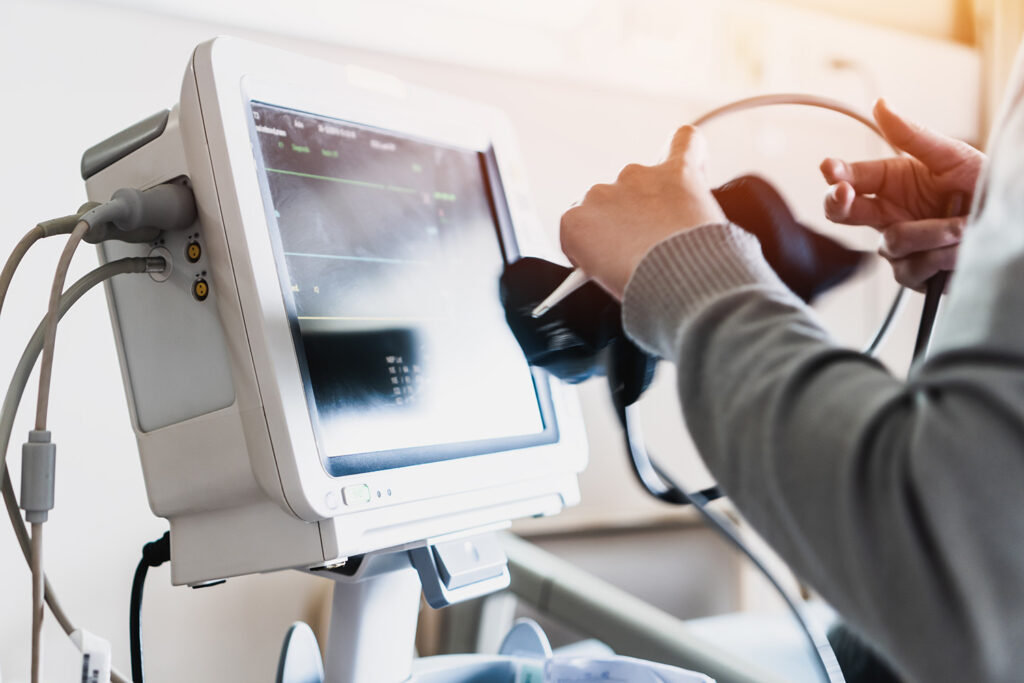
SHERPA (Systematic Human Error Reduction and Prediction Approach) helps medical device organisations anticipate risks long before the device reaches its users.
Human Factors in Turnarounds: Key findings and lessons learned

Turnarounds are planned events where significant sections of a process plant are shut down to enable maintenance or projects to be carried out. Despite being planned events, they are inherently non-routine and resource intensive.
Using SEIPS to Understand and Improve Patient Safety
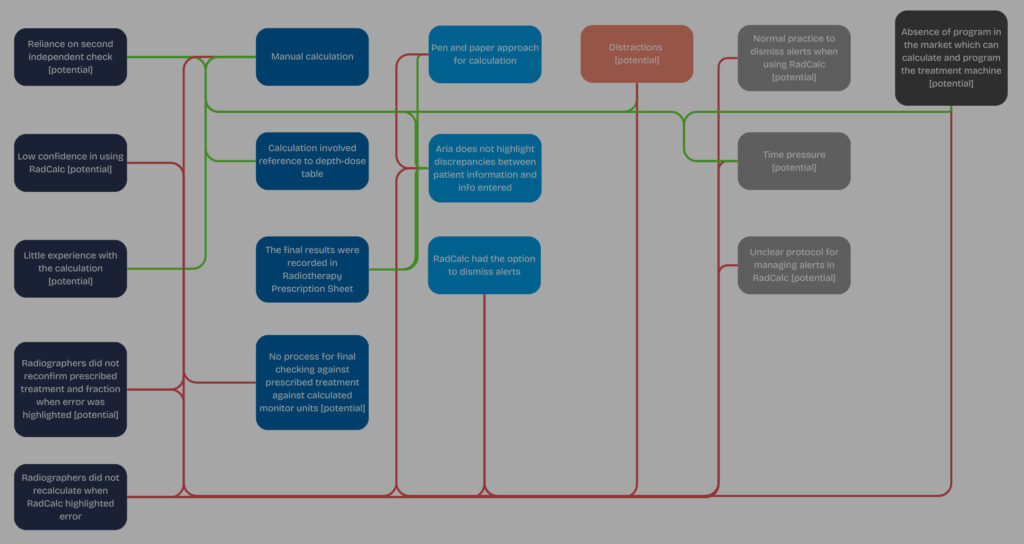
Lydea’s latest blog explores how the Systems Engineering Initiative for Patient Safety (SEIPS) framework help move human error beyond individual actions to systemic factors that contribute to such incidents.
The blog identifies key vulnerabilities and explores potential opportunities for improvement to enhance patient safety.
Checking, checks, second checks, double checks and independent checks

In this deep dive, we explore the critical role of checking in detecting and correcting errors, especially in safety-critical industries.