Aviation Maintenance and Human Error: A Practical SCTA Case Study

We often think of safety in terms of operations, but maintenance plays an equally critical role.
In this blog, we look at a helicopter maintenance task and explore how Human Factors methods can be used to understand how things could go wrong, and why.
It’s a good reminder that even routine tasks deserve careful attention.
AI Agents and Human Performance: A SHERPA Approach to Hybrid Systems

AI is accelerating into safety-critical workplaces, but are we designing it thoughtfully?
We explore a fundamental challenge: When AI systems are designed around work-as-imagined rather than work-as-done, we risk disrupting safe practice rather than enhancing it.
Kegworth Revisited: A Case for Systemic Thinking

On 8 January 1989, British Midland Flight 92 crashed just short of East Midlands Airport, killing 47 people. But the Kegworth disaster wasn’t just about a mistaken decision, it was the result of multiple system failures.
Introduction To Link Analysis Using SHERPA

Link Analysis is a simple yet powerful tool that visualises workflows, uncovers critical interactions, and enhances design.
Revisiting the Swimlane Method: A Healthcare Case Study to Improve Patient Safety
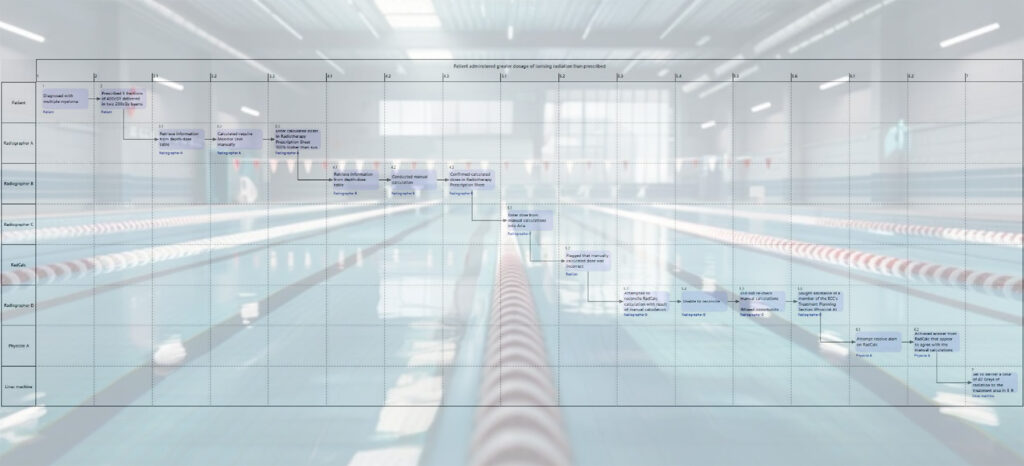
Lydea’s latest blog explores how Swimlane could be applied in the healthcare industry. By mapping out the sequence of events, the tool helped uncover opportunities to improve processes and enhance safety.
Tackling Procedural Non-Compliance in the Workplace: Insights and Solutions
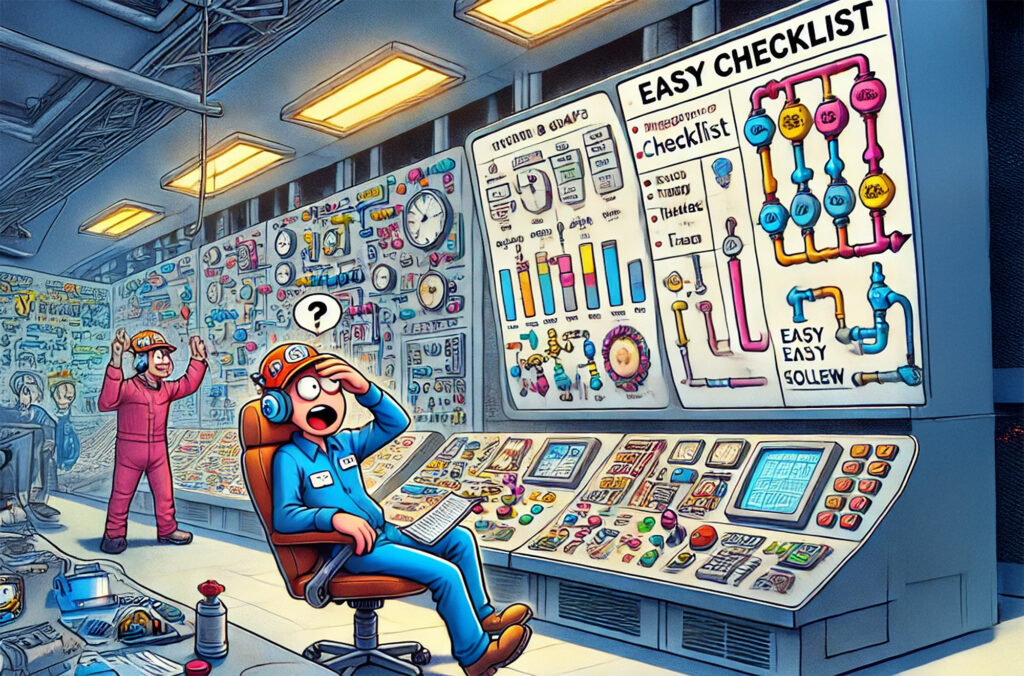
Standard Operating Procedures (SOP) are essential, but why do operators deviate from them? Our Managing Director, David Embrey, explores how non-compliance may not always be about negligence, but rather systemic challenges and opportunities for process improvement.
On Crafting Effective and Safe Procedures

In safety-critical industries, having a procedure isn’t enough—it needs to be both accurate and user-friendly. A well-crafted procedure can enhance safety, reduce risks, and streamline operations, but only if it’s easy to follow and understand.
The Psychology Behind Alarm Response: Insights from Human Factors

Alarm systems are vital to process control, but poorly designed alarms can compromise operator performance. We explore the complexities of alarm management and highlights how human factors can optimise control system design.
Incident Investigation: Swimlanes & Sequentially Timed Events Plotting (STEP)
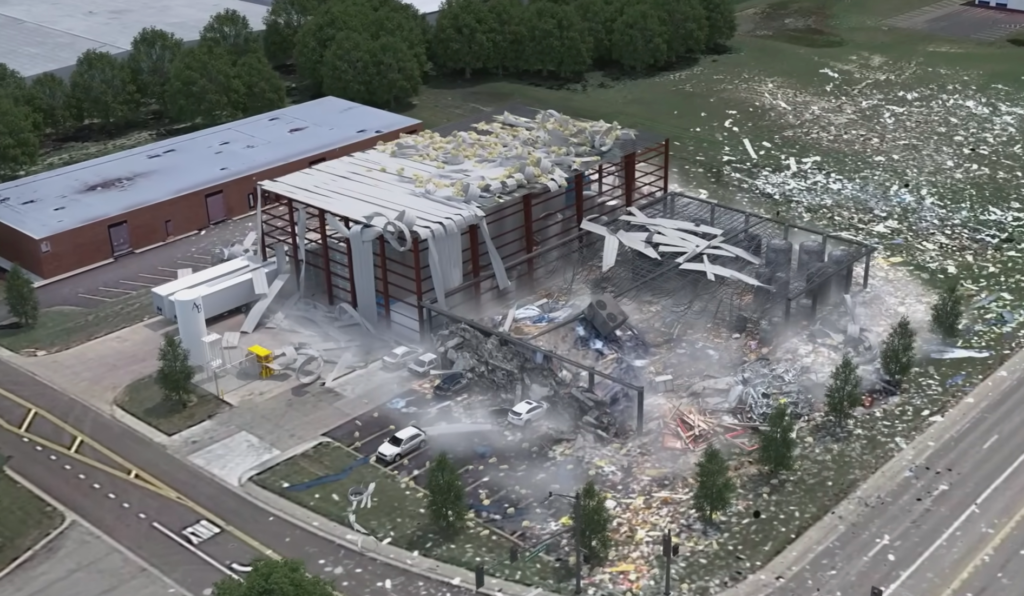
Lydea’s latest blog uncovers Swimlane diagrams as a powerful tool for incident investigation. Featuring a detailed case study on the AB Specialty Silicones explosion in 2019, learn how this tool can map out complex processes, identify latent conditions and active failures, and enhance your understanding of critical events.
Critical Competences: SCTA & risk-informed competence standards
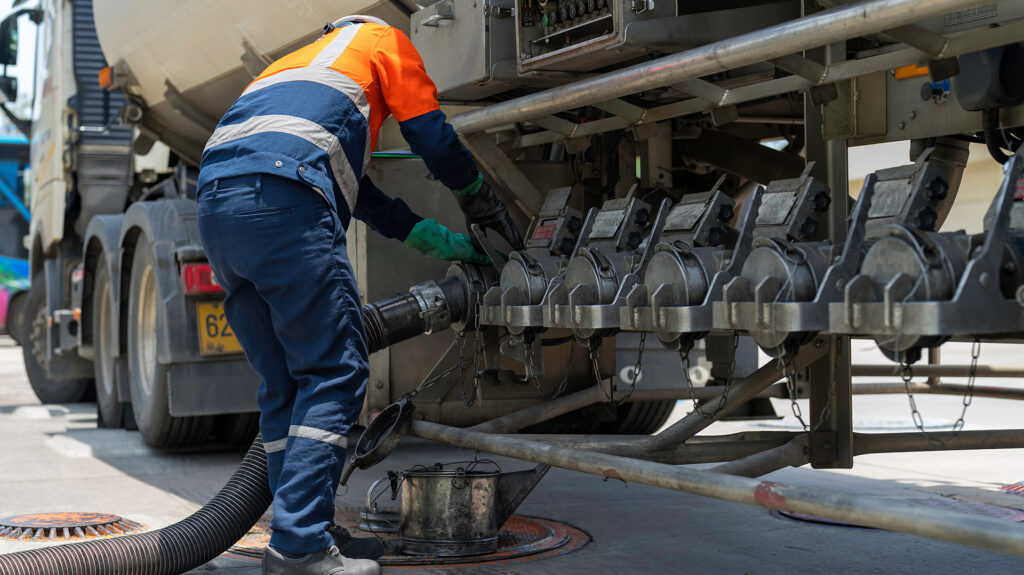
Safety Critical Task Analysis (SCTA) is a well-established process in the UK onshore and offshore petrochemical and oil and gas sectors. It is a systematic process for the assessment and management of human failure.