Designing Control Rooms Around the People Who Use Them

We break down what EEMUA 201, the industry standard for control room design, actually says good practice looks like and where we still commonly see it go wrong.
Building Human Factors into Design from Day One: Human Factors Engineering in Projects

Engineering design and human factors don’t always happen together. Too often, the design is finalised first, and human factors is brought in afterwards. At that point, any mismatch between what was designed and what the operator actually needs only shows up once the plant is running. That gap is what we call the “cliff edge.”
Matching Rigour to Risk: From Learning Teams to SCTA in GMP
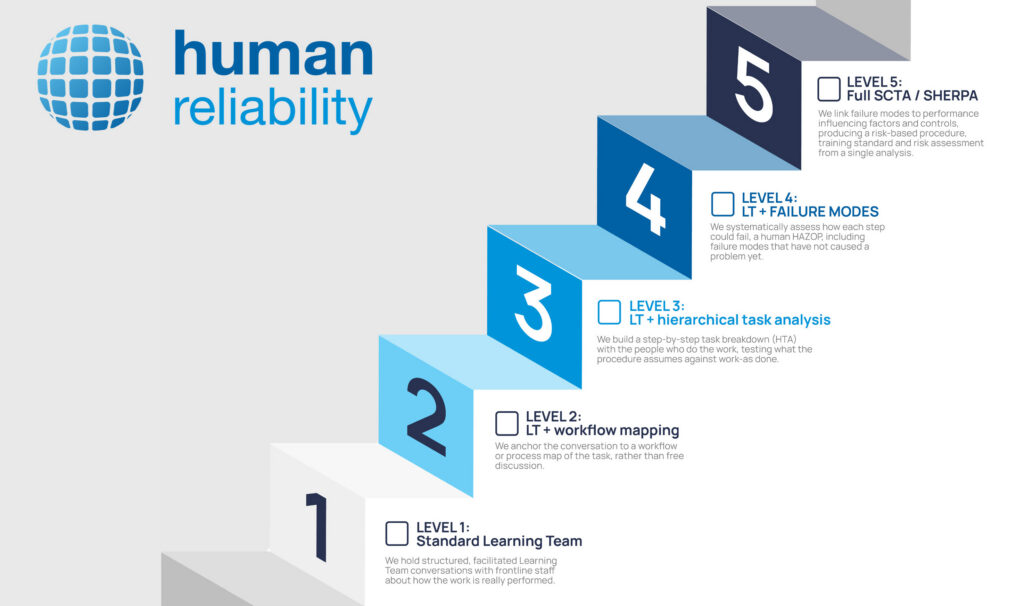
If you work in pharmaceutical quality, you already live by a distinction this blog depends on: the difference between a useful discussion and a documented risk assessment. Both have their place. They are not the same thing, and you would never offer one where a regulator expects the other.
Road Tanker Offloading Human Factors: Simple, Complicated and Complex Problems
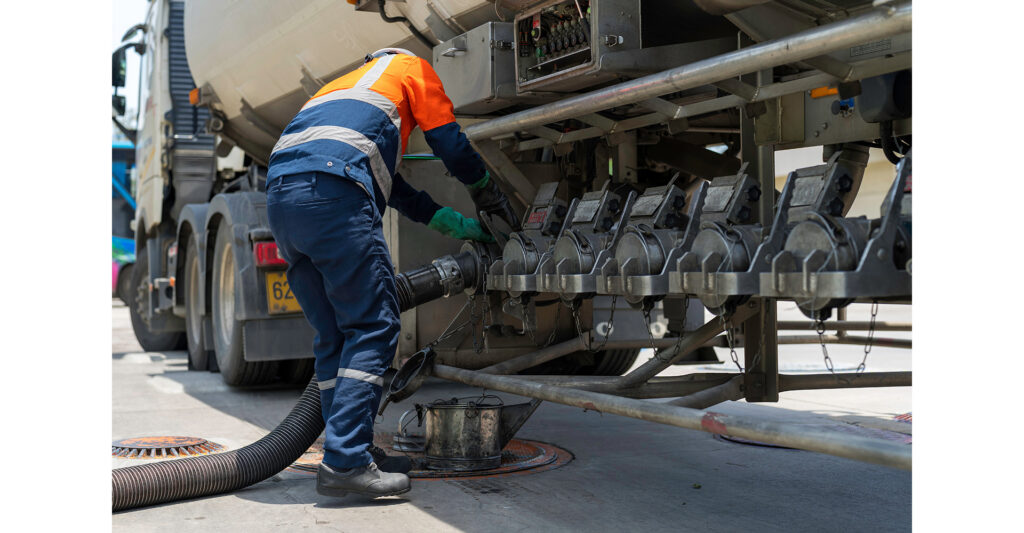
Road tanker offloading is routine. It happens every day, across hundreds of sites. That familiarity is part of what makes it dangerous.
Are We Collecting Data, or Are We Learning?
Organisations are rarely short of information. Incident reports, near-miss records, audits, KPIs and procedure reviews can all provide valuable insight. But data only becomes useful when it helps us understand how work is really done, why performance varies, and what needs to change.
The Railway Men of Bhopal: How Recovery Shaped the Impact of Disaster

Inspired by The Railway Men, this blog uses the Accident Sequence and Precursor (ASAP) model to show how post-incident actions can feed into organisational learning and recovery, helping to build more resilient systems, and why these lessons remain relevant for today’s high-hazard industries.
How SCTA Builds Reliability and Resilience: A Whole-System Approach to Understanding Work

Reliability prevents failure.
Resilience helps us recover from it.
SCTA can strengthen both.
SCTA in Reverse (Part 3): Reflections, Challenges, and the Emerging TABIE Toolbox

We can finally close the gap between proactive SCTA and reactive investigation, using the same analytical framework to both prevent disasters and understand them when prevention fails.
SCTA in Reverse (Part 2): Dissecting the Herald of Free Enterprise Disaster with TABIE Tools

This is part 2 of our “SCTA in Reverse” series, diving deep into the Herald of Free Enterprise disaster through the lens of TABIE (Task Analysis Based Incident Evaluation).
Human Factors in Control of Work Systems

Control of Work (CoW) systems form the backbone of safe operations in high-hazard industries. Yet, their success often hinges on human interaction.